Modern people often sit for long periods due to their lifestyle and daily work. Therefore, some vital muscle groups, such as the hip flexor muscles, will be neglected, especially those that are most easily overlooked.
A hip flexor is a group of pelvic and upper thigh muscles. It helps us raise our knees and keep the pelvis and legs aligned. If there is no hip flexor, we cannot sit or run. Therefore, the hip flexor is a talented muscle group that we cannot ignore. However, what is the benefit of stretching the hip flexor at the right time? After reading this article, you will understand why stretching is essential and its benefits.
Hip Flexor Muscle: The most vital muscle in your body
• Psoas Main Muscle: The psoas muscles are deep muscles that connect the spine and legs. It is the only muscle capable of doing so. It passes through the pelvis, extending from the waist to the front of the pelvis, and is attached to the top of the thigh bone, the femur.
• Iliac muscle: The iliac is a flat triangular muscle deep in the pelvis. It connects to the femur in the pelvis. Its essential action is to bend or rotate your thighs.
• Work femoral: This muscle is one of four quads and attaches the pelvis to the patella. Squares and femurs move around the rectus femoris.
• Sartorius Muscle: The Sartorius Muscle has long legs that penetrate the pelvis to the knee through the thigh. It is the human body’s longest muscle and is responsible for bending the knees and legs.

What is hip stretching?
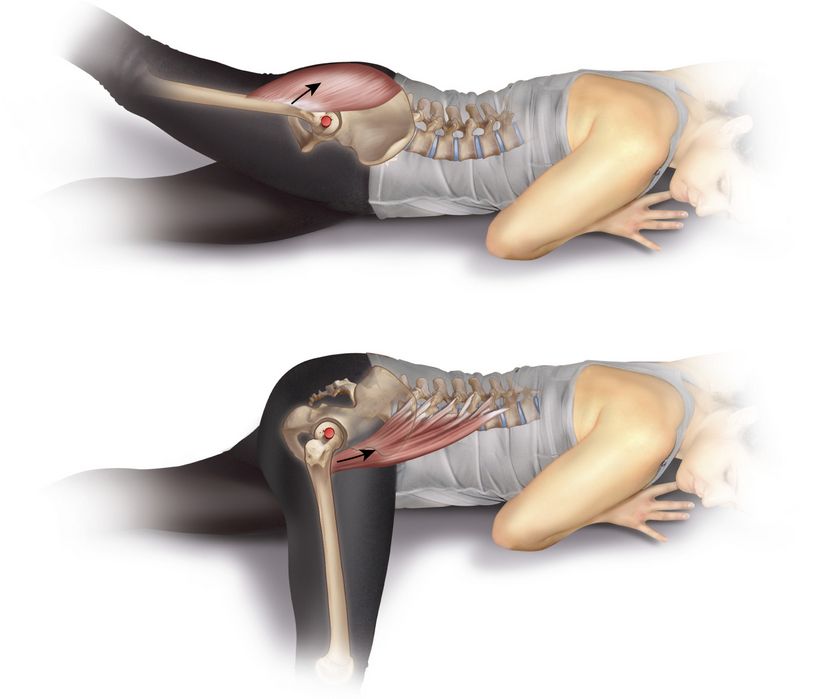
Hip stretching involves activities such as running, jumping, squatting, stepping, leaning, and climbing. The hip connects the acetabulum of the femur to the pelvis, and the hip extension occurs on the sagittal plane, straightening the forward-tilted (curved) hip.
The key to understanding hip extension is to focus on the angle of the spine and the femur (linear approximation), which forms the hip angle. In the anatomical position (upright position), the hip angle is a straight line or a180 180-degree angle.
Hip flexion reduces the hip angle, bringing the knee closer to the shoulder; hip extension increases the hip angle, causing the knee to return to a 180-degree angle. If the angle is more significant than 180 degrees, the action involved is hyperextension because the hip extends beyond its anatomical position.
Why are your hip flexors key to your athletic performance?
According to Athletes World, when your hip flexor muscles are not strong enough, it may result in slower performance during exercise. At the annual meeting of American colleges and universities, the American College of Sports Medicine presented a recent review on relaxing hip flexors to help prevent sports injuries and enhance movement.
Also, Gregory Holtzman, an associate professor of physical therapy at the University of Washington, said: “Our body can compensate for the weakness of the hip flexor muscles, but if it continues for a long time, it may cause an imbalance between the hip and hip muscles. Make up for sports injuries.” Therefore, it is recommended to perform 3 to 4 hip flexor training sessions per week.
What are the causes and effects of a shortened or strained hip flexor?
Considering how much time we spend sitting in our everyday lives, it should be no surprise that many people have shortened front hip muscles. Over time, the hip flexor becomes accustomed to the shortening, and the condition is perceived as usual and manageable.
If the hip flexor is shortened, it merely pulls the upper body forward. In most cases, the abdominal muscles are also weakened, resulting in the pelvis tilting forward. The body tries to straighten the upper body, but the shortened hip flexor works against it, allowing the lumbar spine to give way.
However, the lumbar spine is not well-suited for such movements, which can cause lower back pain. Running may cause a shortened hip flexor in a sitting posture.

Introducing The Most Powerful Muscle Of Your Body: The Psoas Muscles
The psoas, also known as the iliopsoas, is one of the most hidden muscles in our body. It originates from the right and left in the lower part of the spine, runs through the lower abdomen and pelvis, and ends at the upper end of the thighbone. Thus, this muscle is the only connection between our spine and legs. From a functional perspective, the rectus femoris is our most crucial hip flexor muscle.
In this particular situation, our psoas ensures an upright posture, which is necessary for the balance of our skeleton and the mobility of the joints. This muscle also affects blood circulation, organ function, and diaphragmatic breathing.
A normal, healthy psoas is a tightrope between the lower and upper body, responding to any movement of the spine. It stabilises the spine. With the help of the trunk, the vital organs are kept in the lower abdomen.
In our hectic and fast-paced everyday life, the constant and stress-related release of adrenaline often unconsciously and persistently stretches the psoas muscle. Over a more extended period, this can lead to chronic activation of the psoas muscle. In this state, our body is always in a state of “racing or fighting mode.” In this sense, the power of the psoas muscle is intended to take action, which we seldom properly exploit in our modern lifestyle.
Constantly tensing the psoas muscle can cause numerous painful symptoms, including back pain, disc problems, sciatica, scoliosis, hip degeneration, knee pain, and digestive issues.
Muscle tensing also affects the surrounding organs: organs contract, nerves are put under pressure, and overall mobility and diaphragmatic breathing can be restricted.
Under continuous tension of the psoas muscle, the body continuously transmits signals of danger, which can eventually lead to a depletion of the immune system and the adrenal glands. The condition described is often exacerbated by clothing that is too tight, prolonged sitting, improper footwear, lack of exercise, and other factors.
It helps to reduce stress hormones and relax and stretch the psoas muscle to counteract these unnecessary tensions. When the psoas muscle is free and functional, our body’s energies can flow more freely and efficiently.
Static stretching or dynamic stretching
Stretching gets the body going. It stimulates the lymphatic system, allowing waste to be transported out of the body more efficiently, promotes blood circulation, and enhances metabolic activity.
Stretching provides the skin and muscles with more nutrients and oxygen. This stimulates collagen production, which in turn tightens the skin. Stretching also improves posture, reduces muscle spasms, and increases fat burning.
In principle, stretching can be done before and after training. It may be more beneficial to perform stretching before or after exercise, depending on the type of stretching being done.
Different types of strain at different times
Two types of stretching can be distinguished: static and dynamic stretching.
Static stretching is a form of musculoskeletal stretching in which certain body positions are held for extended periods. During dynamic stretching, movements are performed to warm the muscles and connective tissue.
Static stretching increases the flexibility of the muscles and connective tissue. Dynamic stretching is an effective way to prepare your muscles for more intense physical activity and reduce the risk of injury. Both types of stretching are essential, but should be done at different times.
First, warm up, then stretch
Both types of strain should always be performed after a warm-up. The warm-up increases blood circulation, enabling the muscles and tissues to move, shape, and stretch more effectively.
Dynamic stretching before training
Dynamic stretching prepares the muscles for strenuous activity and should be done before exercise. It activates the body and increases the mobility and flexibility of the joints. It also reduces the risk of injury and helps to improve performance during exercise. Dynamic stretching increases the core temperature of the muscles and can be performed as an extension during warm-up.
During dynamic stretching, the muscle is moved. The muscle can be moved in full motion or with small back-and-forth movements.
Static stretching after exercise
Static stretching helps the body relax and unwind, making it an ideal exercise to follow after training. During static stretching, the core temperature of the muscles tends to decrease, resulting in a cooling effect. A static stretch aims to increase tissue mobility, muscle strength, and joint flexibility.
This should be done per position for 30-60 seconds to increase the tissue’s flexibility. Static stretching also reduces muscle strength, which can result in decreased performance during subsequent training sessions.
Different types of stretching can promote muscle activity and mobility. Depending on when they are performed, they can activate or relax the body.

10 Hip flexor stretches and exercises for healthy hips
Best Exercises for Hip Flexor Strain Relief
Here are the four basic stretches to loosen the hips:
Squat
Action: Lie on your side, bend your feet, and open the upper foot like a clamshell. Hold this position for 2 to 3 seconds, then slowly close it. Don’t twist your body. Do it 10 to 15 times per day.
Effect: This enhances the strength of the abductor’s muscles and increases hip stability.
Hip flexor extension
Action: In a half-bow position, bend the foot to be stretched backwards, turn the other foot 90 degrees to the front step, and straighten the body. Then, move the rear foot slowly away from the body. Flatten the ground, feel the tightness in the front of the hip, and hold for 10 seconds. Then, return to the initial position and repeat this 10 to 15 times, 1 to 2 times a day.
Effect: The muscles near the hip joint are too tight or unbalanced, and it is easy to change the position of the pelvis, which in turn induces pain. The hip flexor muscle is the most commonly tightened muscle, which can be used to alleviate hip discomfort.
Hip abduction
Action: In the side-lying position, bend your knees close to the ground to increase stability. Lift your upper body while maintaining a straight line from the pelvis to the upper body and lower limbs. Then, put them back down. Repeat this movement 20 times each time, doing 2 to 3 sets per day.
Effect: The hip abductor muscle is essential for maintaining pelvic stability while walking. This training can improve pelvic balance.
Bridge
Action: Lie flat on the ground, bend your knees to maintain a comfortable angle, step on the field with your feet, and place your hands on both sides, then lift your hips and keep your body in line with your thighs for at least 5 seconds. Then, return to the flat position, repeating 10 to 15 times per session, and do 1 to 2 sessions daily.
Effect: It can increase the strength of the gluteus maximus muscle and improve the stability of the pelvis. You can also place your feet on the ground away from your body or straddle one foot on the other. Using a single-legged approach can increase your training intensity.

How to Stretch the Hip Flexor
Here are some yoga moves for healthy hips
Table-style yoga is also a beautiful exercise that involves lifting the legs. The goddess is a longitudinal exercise and a table-style horizontal stretch, but the final effect is to make your hips more upright and the thighs more compact. During practice, we enter from the sitting position and push the ground with both hands. Lift the buttocks from the ground so the body is square, then lift the left foot to the left side of the waist. The left-hand palm supports the ground, and the left-hand arm presses the inside of the left leg’s knee joint. The left leg is pushed as close as possible to the left side of the waist. Finally, the left leg is kept straight, the right calf is perpendicular to the ankle, and the sole is compacted.
Standing one-legged head-on yoga
Standing one-legged head-on yoga is more complicated. It requires the body to be a certain degree soft and to have a high degree of balance and control. When practising, stand up in the mountain style, stand straight, and close your legs. Straighten your back, then slowly raise your left foot. Grab your left ankle with both hands and pull it toward your torso.
Use your hands to pull the left thigh up and back. Stretch until the back of the left calf touches the end of the left shoulder. Finally, lift the neck and head, and straighten the left ankle. The one-legged practice not only exercises our leg muscles but also reduces fat accumulation on the buttocks and enhances our hip line.
Goddess style
As a kneeling movement, the Goddess style has a significant role in maintaining an upright posture with the buttocks. It can help reduce the appearance of cellulite and fat, enhance the hip curve, and make your hip type appear more upright. While standing on level ground during practice, the two feet move to the sides of the body, with the distance being greater than the width of the shoulders.
The body is standing on the mountain. The knees are bent, the hips squat down, and the feet are not fixed. The heels are lifted, and the knees are outwardly open. Finally, the left and right thighs are in a straight line. The upper body is straight, the arms are stretched straight up, and the two hands are placed on the head.
Yoga V-shaped variant
Yoga V-shaped variant: Twisting can also exercise the waist, abdomen, back, and spine muscles. At the same time, twisting and stretching the legs effectively exercises the hip muscles. The fat accumulated on the buttocks can be eliminated, and the buttocks can be tightened. Practice from the sitting position: grasp your ankle with both hands, lift your legs, and straighten them.
The right leg is positioned at about 45 degrees to the ground, and the left leg is as close as possible to the left waist, with a 90-degree angle to the ground. The right hand is wound around the back of the head. The end of the left shoulder is against the knee of the left leg. The feet are straight, the toes face the sky, the legs are V-shaped, and the body and head are twisted to the right.
One-Legged Down Dog
One-Legged Down Dog: Enter during practice from Downward Dog. When you practice, separate your legs, maintain the same width as your buttocks, keep your heels off the ground, and lift your buttocks as high as possible. Bend the right knee until the knee points to the right arm. And finally, straighten the instep. The one-legged dog-type exercise not only strengthens the abdominal muscles and enhances the body’s overall strength but also effectively exercises the buttocks muscles, eliminates excess fat in the buttocks and waist, and is very beneficial for lifting the hip line.
Wheeled yoga
Wheeled yoga, as a versatile exercise, can not only slim the waist and slenderize the legs but, more importantly, eliminate excess fat from the buttocks and shape them into a firm, upturned appearance. When you practice, sit up straight, bend your knees, and hold your palms together. Then, apply your hands and legs downwards, lift your hips, abdomen, and chest upwards, keep your back arched, and finally, raise your head. Your limbs can absorb your body weight.
The benefits of hip flexor massage
Massage the psoas muscle to alleviate lower back pain. This muscle is located in the lower back and hip area, and prolonged sitting can cause it to become tight and sore. Find a comfortable position to massage the psoas muscle. You can sit in a chair or lie on a firm surface with your back flat against it.
Once you are in a comfortable position, you must locate the muscle. The psoas muscle is found on the front of the lower back. Place your hand on your hip and feel for the muscle that runs from your hip to your lower spine. Once you’ve located the muscle, you can begin massaging it. You can massage the muscles with your fingers or a tennis ball.
How to foam roll your hip flexors
If you experience joint pain or discomfort, try using a hip flexor massage to help relax your body. An exceptional foam roller can provide a deep massage for the hip flexors, as well as relief from body weight and joint pressure. You don’t have to roll them yourself; you can find professional rollers at your local fitness store or gym. The benefit of hip flexor messages is that they can also help relieve pain in other areas of your body unrelated to the hip joints.
The most common way that your hips will be injured is through overuse. If you sit in an office chair all day or are constantly driving, lifting heavy objects, or performing repetitive motions in front of a computer, you may develop stress in your hip flexors. If you have ever tried to sit down for long periods and felt like you have no control over your hips, this is one of the significant reasons you have difficulty sitting or standing correctly. The most common way people address this type of problem is by using a sit-to-stand hip flexor machine, which allows them to sit and stand with the assistance of a wand, performing a specific series of motions. When using this machine, your muscles must lengthen and then shorten while your hips remain relaxed.
A hip flexor massager is one of the most effective ways to reduce or prevent the discomfort associated with overuse. Most people are uncomfortable when experiencing a certain level of discomfort for an extended period. It can also lead to pain in other areas of the body. Using your foam roller and massaging your hips daily can help relieve pain and inflammation. You can enhance your overall health by incorporating a hip-flexor massage into your daily routine. The benefits of hip flexor massage include that it can also help relieve neck, back, and shoulder pain, often when you have joint pain or arthritis.
Foam roller exercises to release hip pain
The back and knee pains can cause discomfort in the hip. Consistent sitting causes the hip to bend, shortening and limiting your body’s movements. Regular massages and stretching help make these muscles more flexible, thereby decreasing the risk of aches and injuries.
Using a foam roller, you can incorporate profound hip flexor massage techniques into your bodyweight exercises and enhance the flexibility of your hip flexors and extensor muscles—specifically, the glutes, thighs, femoris biceps, iliopsoas, femoris rectus, and sartorius. You only need foam rollers.
- Place the foam roller below your hip area and lower your body. So, on the right side of a hip flexor, the front part of the hips and thighs is the top of the foam roller. Your hip flexors are targeted one side at a time outside the pelvic area, so they provide the optimum massage and stretching. Roll your hip flexors over the roller slowly for 30 to 60 seconds. Use the left side to repeat.
- Lie on the right side and place the foam roller under the hip. Use the right arm to support the upper body. Slowly roll your hips from mid-thigh to just below the waist over the outer foam roller. Roll 30 to 60 seconds on the right side and repeat on the left.
- Lie on the floor. Place the foam roller just below the waist under the back of the pelvis. Bring your right knee slowly to your chest and straighten your left leg. Grip your right knee with your hands for support. Try to touch your left foot’s heel to the ground. Hold this stretch for five to ten seconds. Bend your left knee slowly and hit the right one with your left leg. Extend straight out the right leg and hold the stretch for 5 to 10 seconds. It’s a repetition. Do 4 to 8 repetitions.
- Sit with the foam roller on the floor, just under the thighs. Put your arms on your upper body. Roll your thighs slowly down, over the foam roller, for 30 to 60 seconds. Roll just over the end of the knee.
Sports massage: ideal for back pain and hip flexor massage
The psoas muscle is a large, flat muscle located in the lower abdomen. It is connected to the lower spine and upper thigh bone and is responsible for hip flexion. We use it when we sit, stand, or walk. The psoas muscle can become tight or weak due to prolonged sitting, pregnancy, or other conditions. This can result in lower back, hip, and leg pain. A tense psoas muscle can also result in poor posture.
A sports massage can help treat psoas muscle tightness or weakness, improve blood flow, and increase muscle flexibility.
It can also help to alleviate pain and tension in the lower back, hips, and shoulders.
Scientific studies, particularly when combined with exercise, have demonstrated that sports massage has a beneficial effect on the treatment of chronic back pain and hip pain. Often, a massage alone can’t solve the problem, as patients quickly return to their usual bad postures without special training. On the other hand, physiotherapeutic exercises train the muscles that the massage has loosened and improved blood flow to, thus achieving a long-term effect.
Classic massage employs various manipulations, including strokes, rubbing, kneading, rolling, and circular motions, to target and affect specific tissue structures. Additionally, special massages, such as deep muscle, meridian, or segment massage, reach and influence deeper tissue structures in addition to direct local action.
Only medically trained therapists
It is not enough to alleviate chronic back pain or hip pain, especially since it is easy to knead agitated areas of the back muscles and hope for a soothing effect. Exercise training (such as physiotherapy, special back exercises, and backstroke) is one of them—a combination that only the “healing hands” of a trained medical masseur or physical therapist can offer. A dose of self-initiative is also part of getting rid of chronic low back pain.
What are the most common hip flexor injuries, and how can they be treated?
The hip flexors are a group of muscles in the pelvic region that help raise the knee and maintain the alignment of the pelvis and thigh, thereby helping to prevent knee problems. A healthy and robust hip is essential not only for athletes but also for runners. Without healthy and strong iliopsoas muscles, individuals cannot kick, run, sprint, or even sit. Therefore, we need to learn more about the cause of the injury and how to manage it.
Why is the hip flexor injured?
The buttocks are often called ball-and-socket joints because the spherical top of the thigh bone moves within the cup-shaped space in the pelvis. When your hip muscles are relatively stable and healthy, it must be caused by considerable external force when you hurt them. This is why athletes engaged in martial arts, football, hockey, running, and related activities often experience common hip flexor injuries.
Of course, certain factors can cause hip flexor injuries, such as muscle atrophy, insufficient warm-up before exercise, muscle stiffness, overtraining, trauma, or falls, all of which can lead to damage. Common hip injuries include bursitis, dislocation, and fracture.
Of course, some diseases can cause harm to the hip or problems. For example, osteoarthritis can cause pain and limitations in exercise. Hip osteoporosis can cause bones to break easily. These two conditions are often seen in older people. How to deal with hip flexor injuries
If you have a hip flexor strain, you will first feel slight, sharp, or severe pain in the front area where the thigh and hip meet. Then you will walk and walk. If you delay treatment, the bruising and swelling of the injured area will become more visible.
You may need crutches or supports to relieve the pressure on the muscles. If you are unfortunate enough to have the above symptoms due to exercise, please follow the steps below within a few days or weeks after the injury and see a doctor for treatment.
1. Take a break now.
2. Stop any activity that causes pain.
3. Apply the injured area for 20 minutes every 3-4 hours and continue treatment for 2-3 days.
4. If pain or swelling persists or worsens after two weeks of the recommended method. Please consult your physiotherapist or specialist.
How can hip flexor muscles be protected from damage?
Keep the following tips in mind to avoid injury to the hip muscles. You can prevent hip flexor damage by following these tips.
• Even in practice, always warm up before exercising or physical activity.
• After the activity, make sure you’ve cooled down. Stretch each muscle group slowly and hold the stretch for several seconds.
• Regular exercise can keep your muscles healthy. Exercises to help increase and strengthen the hip flexors include the downward dog posture, bridges, the moon pose, the seated butterfly stretch, the straight-leg lift, and the cuff. Do not press too hard. These should not be harmful.
• Strengthen the buttocks and core muscles. These muscles work together to provide balance and stability, as well as support activities related to daily life, exercise, and sports. Pay equal attention to everyone, as a weak or rigid set of these muscles can cause injury or pain to other muscles.
• Before returning to regular exercise or outdoors, ensure the damage is fully healed. So, the muscles have recovered to the same power and flexibility as they had before the injury (or even more). If you don’t have enough time to heal, you can sustain yourself again, which can help reinvigorate you.
CONCLUSION
You need to know that the hip flexor is one of the essential stabilisers in the lower body, so when your hip flexor muscles are not strong enough, your body will start to stabilise it by other means. Poor body posture, which in turn affects issues such as spinal deformity and uneven shoulders, is a concern. Ultimately, it may even affect the ability to stand and walk, which could be difficult for a long time. Therefore, to avoid these serious problems, the hip joint flexion must be strengthened. In addition to muscle training, stretch and relax at the right time.